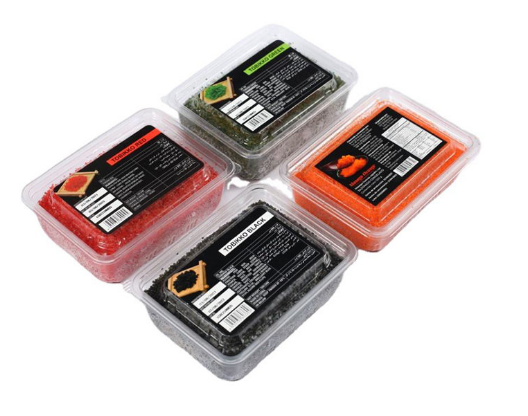
Beijing, China Jan 3, 2026 (Issuewire.com) - As the international sushi and seafood sectors adapt to shifting consumer preferences for high-texture ingredients, Beijing Shipuller Co., Ltd. has prioritized the expansion of its specialized roe portfolio. Within its comprehensive range of frozen seafood, the organization provides standardized selections of Frozen Tobiko Masago for Japanese Cuisines, products that are essential for the visual and textural completion of contemporary sushi rolls and seafood appetizers. Tobiko (flying fish roe) and Masago (capelin roe) are distinct in their grain size and "crunch" profile; Tobiko is recognized for its larger, crisper pearls and natural resilience, while Masago offers a smaller, more delicate texture. Both varieties are processed at sub-zero temperatures to preserve their natural structural integrity and are available in various traditional hues, including orange, red, and green (wasabi-infused). By utilizing advanced blast-freezing technology and adhering to global food safety benchmarks such as ISO and HACCP, the Yumart brand provides a stabilized, shelf-ready solution for distributors requiring consistent quality across varied culinary applications.
Part I: Industry PerspectiveThe Globalization of Texture-Driven Seafood
The global market for Japanese ingredients is undergoing a structural transformation, characterized by a move beyond basic flavor profiles toward specialized, texture-driven dining experiences. As the hospitality industry adapts to a post-traditional culinary landscape, fish roe has transitioned from a garnish to a critical functional component.
The Role of "Mouthfeel" in Modern Gastronomy
Current culinary trends indicate that "textural contrast" is a primary driver of consumer satisfaction in the seafood sector. The characteristic "pop" of Tobiko and Masago provides a necessary counterpoint to the soft textures of vinegared rice and raw fish. Industry observations suggest that the demand for these ingredients is no longer confined to traditional sushi bars but has expanded into fusion dining, where roe is utilized as a topping for pastas, salads, and even innovative breakfast items. This diversification has prompted a requirement for roe that can maintain its crispness even when integrated into complex, multi-ingredient dishes.
Visual Aesthetics and the Social Media Influence
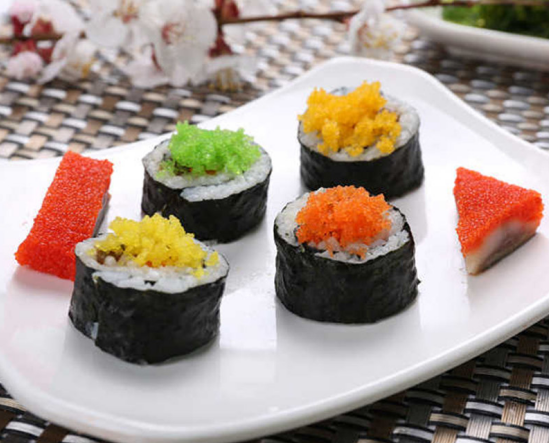
The vibrant, translucent appearance of fish roe remains a significant factor in the aesthetic appeal of Japanese cuisine. In a visual-centric market, the color consistency of roeachieved through standardized processingis a critical metric for procurement officers. The ability to provide uniform, high-impact colors allows chefs to maintain the visual standards expected in professional environments. As dining experiences continue to be documented and shared through digital media, the role of visually distinct ingredients like Masago and Tobiko as "finishing touches" has solidified their position in the global pantry.
Traceability and Frozen Stability Requirements
More On Showupnews ::
- Ron Burkhart, Recognized by BestAgents.us as a 2025 Top Agent
- From Midwest Fields to Global Destinations: How Travel Shaped Lauren Nash’s Worldview
- Kurtis Patel Brings Scientific Precision to Supplement Manufacturing Leadership
- Photographer and Entrepreneur HaidarPNG Launches Creative Growth Firm LaunchMoor
- Charles B. Lerner, DC, Brings Expert Chiropractic Care to Litchfield Community
The seafood supply chain is facing increased pressure regarding safety and traceability. For delicate products like roe, maintaining the cold chain from the point of harvest to the final kitchen is paramount. The industry is seeing a consolidation toward suppliers who can prove consistent temperature management and document compliance with international hygiene standards. Furthermore, as global shipping environments remain complex, there is a prioritized demand for frozen seafood that can withstand long-duration transit without experiencing moisture loss or textural degradation.
Part II: Institutional Capability and Strategic Supply Framework
Since its establishment in 2004, Beijing Shipuller Co., Ltd. has functioned as a specialized manufacturer and exporter focused on bringing the "original oriental taste" to a global audience. Under the Yumart brand, the organization leverages an extensive operational framework to solve the logistical and quality hurdles of the international food trade.
Standardized Quality and Management Systems
The production of Yumart frozen roe is governed by a multi-layered quality management system. By operating within facilities that have achieved ISO, HACCP, Halal, and Kosher certifications, the brand ensures that every batch of Tobiko and Masago meets the rigorous health requirements of 100 countries. The processing involves precise cleaning, curing, and rapid freezing protocols designed to lock in the natural salinity and firmness of the roe. This commitment to standardization ensures that a regional distributor in Europe receives the same high-performance product as a hospitality group in the Middle East.
The "Magic Solution" for Integrated Procurement
Yumart has developed a service model designed to simplify the complexities of sourcing multiple Asian ingredients:
Logistical Consolidation (LCL Services): A primary advantage for mid-sized distributors is the ability to consolidate orders. Yumart facilitates Less than Container Load (LCL) shipments, allowing clients to combine frozen Tobiko and Masago with other essentialssuch as Frozen roasted eel, Frozen crab sticks, Frozen spring roll sheetsinto a single consignment. This approach optimizes shipping costs and reduces the administrative burden of managing multiple vendors.
Specialized R&D and OEM Capabilities: With five dedicated R&D teams, Yumart offers private label (OEM) services. This allows professional clients to customize flavor infusions (such as soy-marinated or wasabi-flavored roe) and packaging formats to align with localized market branding and functional needs.
Application Scenarios and Distribution Success
The Yumart roe portfolio is engineered for performance across three primary sectors of the food industry:
Professional HORECA: Executive chefs in international hotel chains and specialized sushi franchises utilize the frozen roe for its consistent grain size and vibrant color. The stability of the product ensures that it remains intact when used as a garnish for high-volume service.
Industrial Food Processing: Manufacturers of pre-packaged "sushi kits" and chilled seafood salads incorporate Yumart Masago as a cost-effective way to add color and texture, benefiting from the products long-term frozen shelf life.
Specialty Retail: The organization supplies retail-ready portions that allow supermarkets to cater to the growing "home-sushi" market, providing consumers with professional-grade ingredients in manageable quantities.
By participating in over 13 major trade forums annuallyincluding Canton Fair, Gulfood, and SIALYumart maintains a direct line of communication with culinary influencers and procurement heads. This proactive engagement ensures that its frozen seafood offerings remain synchronized with global regulatory changes and emerging palate preferences.
Conclusion
As the global appetite for authentic and visually compelling Japanese ingredients matures, the importance of a reliable and certified supply chain becomes paramount. Beijing Shipuller Co., Ltd. continues to bridge the gap between traditional seafood harvesting and modern industrial logistics. Through the Yumart brand, the organization ensures that its Frozen Tobiko and Masago meet the highest international standards of safety, texture, and visual fidelity. By offering a "One-Stop" solution that ncompasses production excellence and logistical efficiency, Yumart remains a foundational partner for businesses seeking to elevate their seafood offerings in an increasingly competitive global marketplace.
For more information on product specifications, international certifications, or to request a customized flavor solution, please visit the official corporate website: https://www.yumartfood.com/
Source :Beijing Shipuller Co., LTD
This article was originally published by IssueWire. Read the original article here.
1 month ago